
How to Scale Your Business Successfully in Dubai

Dubai has become one of the world’s fastest-growing business hubs, attracting entrepreneurs and companies across industries. With its strategic location, robust infrastructure, and investor-friendly environment, scaling a business in Dubai offers tremendous opportunities. However, success requires careful planning, local insight, and strategic execution. 1. Understand the Local Market Before expanding, it’s essential to analyze Dubai’s business landscape. Understand customer behavior, competitor offerings, and regulatory requirements. Different free zones and mainland setups have varying rules and benefits, so tailoring your business model to the local context is key. 2. Leverage Strategic Location and Connectivity Dubai’s geographic position between Europe, Asia, and Africa makes it ideal for regional and international expansion. Utilize the city’s world-class logistics, ports, and airports to streamline supply chains, reach new markets, and scale operations efficiently. 3. Build Strong Business Networks Networking is a cornerstone of success in Dubai. Engage with local business councils, chambers of commerce, and industry events. Establishing connections with investors, suppliers, and potential partners can open doors to opportunities that might otherwise be inaccessible. 4. Optimize Your Operations Scaling requires robust systems and processes. Invest in technology, streamline operations, and hire skilled professionals who understand both your industry and the local market. Efficient operations help maintain quality while meeting growing demand. 5. Focus on Compliance and Governance Dubai has clear regulations for business operations, visas, taxation, and intellectual property. Compliance is non-negotiable for long-term growth. Engaging with legal and business consultants ensures your expansion strategy aligns with all regulatory requirements. 6. Enhance Your Brand Presence A strong brand presence in Dubai boosts credibility and attracts clients, partners, and talent. Invest in marketing, digital visibility, and corporate branding to differentiate your business in a competitive market. Conclusion Scaling your business in Dubai is a strategic opportunity that requires more than just ambition. By understanding the local market, leveraging the city’s connectivity, building networks, optimizing operations, and maintaining compliance, businesses can grow sustainably and achieve long-term success in this dynamic hub.
Where Entrepreneurs Build Strong Business Connections in Dubai

Building strong business connections is one of the most important factors in entrepreneurial success. In a global hub like Dubai, opportunities to network, collaborate, and grow are everywhere if you know where to look. For entrepreneurs, Dubai is more than just a business destination. It’s a city designed to bring people together, making it easier to form meaningful partnerships and unlock new opportunities. Premium Workspaces That Encourage Collaboration Modern workspaces in Dubai are designed to go beyond just desks and offices—they are built as communities. Shared offices and serviced workspaces bring together entrepreneurs, startups, and professionals from diverse industries under one roof. This environment naturally leads to: Workspaces in key areas like Sheikh Zayed Road and Dubai International Financial Centre are especially known for attracting high-level professionals. Business Districts That Drive Opportunity Dubai’s major business districts are hotspots for networking and growth. Locations such as Dubai Multi Commodities Centre and Dubai Silicon Oasis are filled with companies across industries—from finance and tech to trade and consulting. Being present in these areas gives entrepreneurs: Choosing the right location can significantly impact the quality of connections you build. Networking Events and Business Meetups Dubai hosts a wide range of networking events, conferences, and industry meetups throughout the year. These events are designed to connect entrepreneurs, investors, and business leaders. Attending such events allows entrepreneurs to: From startup events to corporate networking sessions, the city offers something for every business stage. Cafés and Informal Meeting Spaces In Dubai, business doesn’t always happen in boardrooms. Many entrepreneurs prefer casual settings like cafés and lounges for meetings and discussions. Popular business-friendly areas near Downtown Dubai provide relaxed environments where ideas flow more freely. These informal spaces often lead to more authentic and productive conversations. Industry-Specific Communities Dubai is home to specialized communities that bring together professionals from specific sectors. Whether it’s finance, technology, media, or trade, entrepreneurs can find networks tailored to their industry. For example: These ecosystems make it easier to build relevant and valuable connections. Co-Working Culture That Supports Growth The rise of co-working spaces in Dubai has made networking more accessible than ever. Unlike traditional offices, co-working environments encourage interaction and collaboration. Entrepreneurs benefit from: This culture helps turn connections into long-term business relationships. Access to Global Talent and Investors Dubai’s international appeal attracts entrepreneurs, investors, and professionals from around the world. This diversity creates a unique environment where global connections are easily formed. By working and networking in Dubai, entrepreneurs can: Conclusion Dubai offers countless opportunities for entrepreneurs to build strong and meaningful business connections. From premium workspaces and business districts to networking events and informal meeting spots, the city is designed to foster collaboration and growth. For entrepreneurs looking to scale their business, success in Dubai often comes down to one key factor being in the right place, surrounded by the right people.
The Hidden Side of Doing Business in Dubai Nobody Talks About
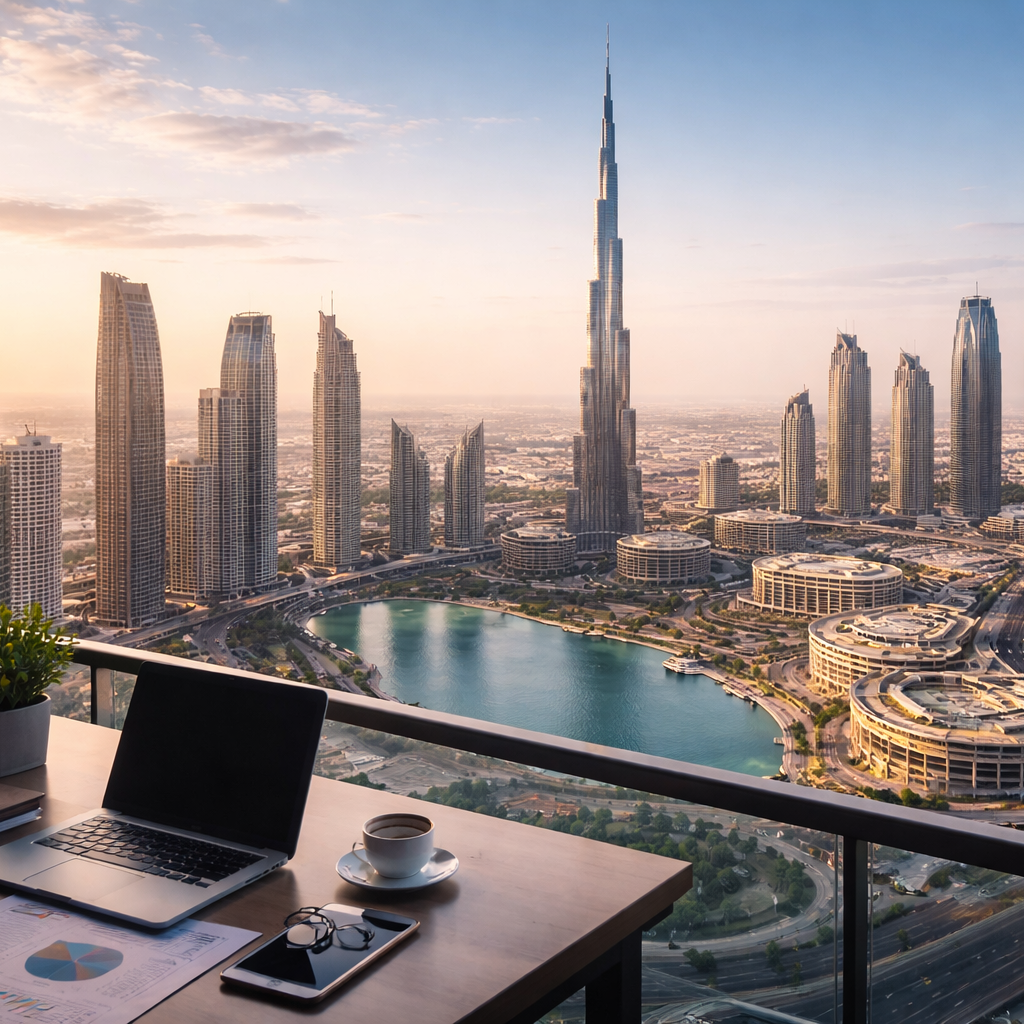
Dubai has long been a magnet for entrepreneurs and international investors. Its reputation for fast business setup, tax benefits, and a thriving economy attracts companies from all over the world. However, behind the gleaming skyline and easy company formation, there are several challenges and nuances that many businesses only realize after setting up. Understanding these hidden aspects can save time, money, and stress for anyone planning to do business in Dubai. 1. High Operational Costs Beyond Initial Setup Many entrepreneurs focus on the company formation costs, but the operational costs can be significant: Office rent in prime locations is often higher than anticipated Utility bills (electricity, water, cooling) can add up, especially in summer Staff accommodation and visas are recurring expenses Maintenance fees and service charges for offices in commercial towers Planning for these ongoing costs is crucial to avoid financial strain. 2. Complex Licensing and Compliance Requirements While setting up a company in Dubai is relatively fast, maintaining compliance is not always straightforward. Businesses must navigate: Multiple government departments for approvals Industry-specific licenses and renewals Local sponsor or partner requirements for certain business types Visa quotas and employee sponsorship rules Failure to comply with regulations can lead to fines, penalties, or even suspension of business operations. 3. Cultural and Business Norms Matter Dubai is cosmopolitan, but it is still important to understand local customs and business etiquette: Meetings and negotiations may require patience and relationship-building Decision-making can be slower than expected for foreign companies Communication styles differ from Western norms Understanding the local market, customer behavior, and preferences is critical Ignoring cultural nuances can result in misunderstandings or missed business opportunities. 4. Hidden Challenges in Banking and Finance Opening a corporate bank account in Dubai can be more complicated than anticipated: Banks often require extensive documentation Approvals can take several weeks Some banks have restrictions based on business type or origin of funds Transaction fees, minimum balances, and documentation requirements add hidden costs Businesses must factor these challenges into their planning to avoid cash flow issues. 5. Visa and Talent Management Hurdles While Dubai offers access to a diverse workforce, hiring and managing talent can be challenging: Work permits and visas take time and have specific requirements Employee retention can be difficult due to competitive salaries in certain sectors Sponsorship regulations limit certain hiring flexibility Proper HR planning and understanding labor laws are essential for smooth operations. 6. Competition Is Fierce Dubai’s business-friendly environment attracts global players, which means competition is intense: Many industries are saturated with local and international firms Marketing and networking play a major role in success Price wars and quality differentiation are key challenges Businesses must conduct thorough market research and strategy planning before launching. 7. Hidden Opportunities Exist Despite these challenges, Dubai offers enormous opportunities for those prepared: Strategic location for trade and regional expansion Access to international clients and investors Flexible office solutions, like serviced offices and plug-and-play spaces, reduce risk Government initiatives and free zones offer business incentives The key is to be aware of the hidden challenges and plan proactively to leverage opportunities effectively. Conclusion While Dubai is often portrayed as a “business paradise,” the reality is more nuanced. Understanding the hidden aspects — from operational costs and compliance to banking hurdles and cultural norms — can make the difference between success and struggle. Businesses that plan carefully, seek expert guidance, and remain adaptable are the ones that thrive in Dubai’s competitive landscape. Awareness of these hidden challenges allows entrepreneurs to make informed decisions, minimize risks, and capitalize on the many advantages Dubai offers.
Everything You Need to Know About Setting Up a Business in RAKEZ
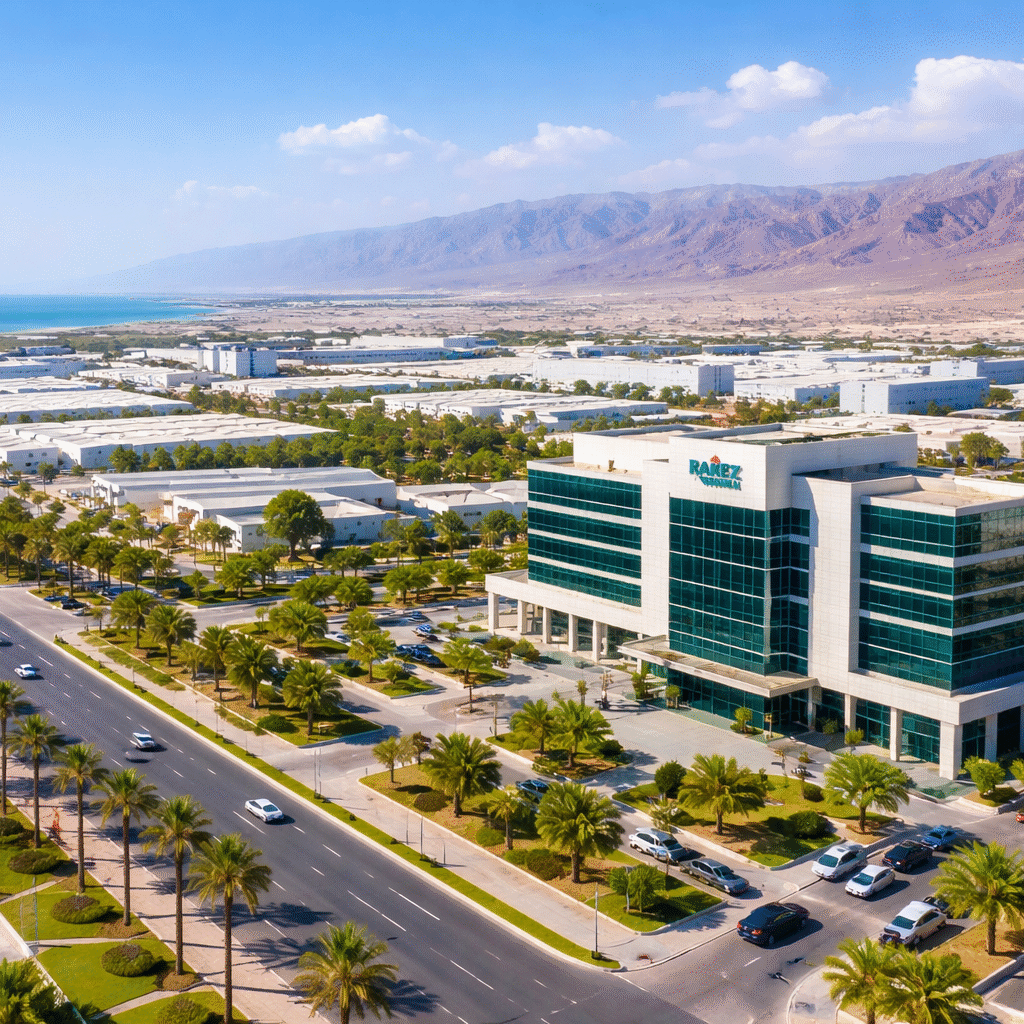
Ras Al Khaimah Economic Zone (RAKEZ) has become one of the UAE’s most attractive destinations for entrepreneurs, startups, and established companies looking for a cost-effective and flexible business setup. With simplified processes, competitive licensing packages, and access to regional and global markets, RAKEZ offers an ideal environment for business growth. This guide covers everything you need to know before setting up a business in RAKEZ. What Is RAKEZ? RAKEZ is a government-backed economic zone in Ras Al Khaimah that supports a wide range of business activities, including commercial, industrial, professional, and e-commerce operations. It caters to freelancers, SMEs, and multinational companies alike, offering both free zone and non-free zone solutions. Why Choose RAKEZ for Business Setup? RAKEZ stands out for its affordability and ease of doing business. Entrepreneurs benefit from: Competitive license and registration costs 100% foreign ownership Full repatriation of capital and profits No personal or corporate income tax Flexible office, warehouse, and industrial facility options Strategic location with access to major ports and highways These advantages make RAKEZ especially appealing for cost-conscious businesses and startups. Types of Licenses Available in RAKEZ RAKEZ offers multiple license categories to suit different business needs: Commercial License – For trading and general business activities Service / Professional License – For consulting, services, and expertise-based businesses Industrial License – For manufacturing and industrial operations E-commerce License – For online and digital businesses Choosing the right license depends on your activity, target market, and long-term business goals. Business Setup Process in RAKEZ Setting up a business in RAKEZ is straightforward and efficient. The general steps include: Selecting the business activity and license type Choosing a company structure Submitting required documents Paying registration and license fees Receiving your trade license The process is designed to be quick, with minimal paperwork compared to other jurisdictions. Office and Facility Options RAKEZ offers flexible workspace solutions, including: Shared desks and flexi offices Private offices Warehouses and industrial units Land for large-scale manufacturing This flexibility allows businesses to scale up or down as required. Visa and Employment Support RAKEZ provides visa packages for investors, partners, and employees. The number of visas depends on your license type and office space. The zone also supports employee onboarding and visa processing, making it easier to build your team. Who Should Consider RAKEZ? RAKEZ is ideal for: Startups and entrepreneurs SMEs looking to reduce setup and operational costs Industrial and manufacturing businesses Consultants, freelancers, and service providers International companies entering the UAE market Final Thoughts Setting up a business in RAKEZ offers a smart balance of affordability, flexibility, and strategic advantage. Whether you’re launching a startup or expanding an existing business, RAKEZ provides the infrastructure and support needed to succeed in the UAE market.
How to Scale a Business When Your Target Audience Is Everyone

Scaling a business sounds easier when the target audience is “everyone,” but in reality, it’s one of the most complex strategies to execute. Marketing to the masses without structure can lead to wasted budgets, diluted messaging, and poor customer retention. True scaling happens when broad audiences are segmented, strategies are prioritized, and growth systems are automated. Businesses that successfully scale universal offerings don’t market blindly they scale smartly. The first key step is breaking “everyone” into micro-audiences. Even if a product is useful for all age groups, genders, or industries, people behave differently based on their needs, purchasing power, and digital habits. A college student and a business owner may both need your service, but their intent, expectations, and decision-making process are entirely different. Segmenting them into smaller groups helps businesses create relevant campaigns while still maintaining a universal brand presence. The second strategy is building a core audience first, then expanding outward. No brand grows by trying to sell to the entire world on day one. The smartest brands start by winning a niche segment that can act as a foundation for word-of-mouth and early trust building. Once a business dominates that smaller community, it becomes easier to adapt the same value proposition to larger demographics. This creates a ripple effect starting small, proving big, scaling fast. A strong brand identity is the backbone of mass-audience scaling. When your audience is everyone, your differentiator is not who you target, but how you make them feel. Brands like Google, Amazon, and Apple scaled globally because their messaging focused on simplicity, convenience, and innovation not audience limitations. A business that speaks one clear language of trust, quality, and reliability can scale across markets without changing its voice for every customer. Localized and multi-channel marketing accelerates universal scaling. Broad audience brands must be present everywhere their customers exist—social media, search engines, email, YouTube, communities, offline activations, and referral ecosystems. But presence alone is not enough; relevance matters. Localized SEO, regional ad campaigns, language adaptation, cultural alignment, and location-based targeting (as you’ve explored earlier for India and broad audiences) make universal marketing more efficient and cost-effective. Automation and scalable systems turn large audiences into predictable growth engines. Businesses must adopt CRM tools, lead-scoring mechanisms, automated email sequences, AI chat support, retargeting funnels, and data dashboards to handle mass inquiries without losing personalization. The goal is to make the business grow without manually scaling the workload. The wider the audience, the more essential it becomes to automate intelligence, not just tasks. Partnerships, community building, and referral loops help a universal audience brand scale organically. When you build collaborations across industries, work with influencers, and grow active communities, your brand spreads without constantly increasing ad spend. Encouraging customers to share experiences, reviews, and referrals builds trust among new segments. A business that scales with advocacy grows faster than one that scales with ads alone. Finally, scaling for everyone means constantly optimizing with data. With broad audiences, assumptions fail analytics win. Businesses should track audience behavior, campaign performance, acquisition cost, engagement trends, conversion ratios, and retention patterns to understand which segments scale profitably. Smart scaling isn’t about reaching everyone it’s about converting the right everyone at the right time.
Common Mistakes Expats Make When Setting Up a Business in the UAE

Introduction:Dubai has become one of the most attractive destinations for entrepreneurs and expats looking to start a business in the UAE. With its strategic location, tax-friendly environment, and vibrant economy, it’s no wonder that thousands of expats are drawn here every year. However, setting up a business in Dubai comes with its own set of challenges. Many expats fall into avoidable pitfalls that can delay their plans or incur unnecessary costs. In this article, we’ll explore the most common mistakes expats make when establishing a business in the UAE and how to avoid them. 1. Ignoring the Legal FrameworkMany expats underestimate the importance of understanding the UAE’s business laws. The UAE has specific regulations regarding ownership, licensing, and company structure, and failing to comply can lead to penalties or even closure. 2. Choosing the Wrong Business StructureFrom Free Zone Companies to LLCs, choosing the correct legal structure is critical. A wrong choice can impact ownership rights, tax obligations, and operational flexibility. Many expats make the mistake of picking a structure without proper research or consultation. 3. Overlooking Licensing RequirementsDubai has multiple types of business licenses – commercial, professional, industrial, and more. Securing the correct license is essential for legal operations. Expats often assume one license fits all, leading to operational delays and fines. 4. Neglecting Market ResearchDubai is competitive, and understanding your target market is crucial. Some expats jump into business without analyzing the demand, competition, and pricing strategies, which can result in low ROI or business failure. 5. Underestimating CostsStarting a business in Dubai involves multiple costs – licensing fees, office rent, visa processing, and more. Expats often underestimate the budget required, which can cause cash flow problems in the first year. 6. Not Seeking Professional GuidanceTrying to navigate Dubai’s business setup process without expert advice can be risky. Professional consultants can help with licensing, legal compliance, and free zone registration, saving time and reducing errors Conclusion:Setting up a business in Dubai as an expat can be an exciting opportunity, but it requires careful planning and attention to detail. Avoiding these common mistakes ensures a smooth business setup and positions your company for long-term success in the UAE’s thriving economy. If you’re planning to establish your business in Dubai, consider partnering with experienced business setup consultants who can guide you through every step.
Why Entrepreneurs Choose Dubai: Beyond Zero Tax

Introduction For years, Dubai has been synonymous with tax-free business opportunities, attracting investors and startups from every corner of the world. But as global entrepreneurship evolves, so do the reasons for choosing Dubai. Today, it’s not just the zero tax policy that draws entrepreneurs it’s the innovation-friendly environment, strategic location, global connectivity, and government support that make Dubai a true hub for business growth. At CzarBizServ, we’ve helped countless founders experience how Dubai empowers success far beyond financial incentives. 1. Strategic Location: The Gateway to Global Markets Dubai sits at the crossroads of East and West, providing seamless access to the Middle East, Asia, Europe, and Africa.For entrepreneurs, this means easier trade routes, logistics efficiency, and access to over 2 billion consumers within a few hours’ flight. The city’s world-class ports and airports make it a natural choice for import-export businesses, logistics startups, and international headquarters. 2. World-Class Infrastructure and Smart City Innovation Dubai isn’t just modern it’s built for business efficiency. With ultra-fast internet, advanced free zones, co-working spaces, and smart government services, it offers everything entrepreneurs need to operate smoothly. The government’s paperless initiatives and AI-driven services simplify business registration, visa processing, and licensing allowing founders to focus on what truly matters: growth. 3. A Hub of Innovation and Entrepreneurship Beyond infrastructure, Dubai fosters a culture of innovation and disruption.Initiatives like Dubai Future Foundation, Area 2071, and DIFC Innovation Hub actively support startups and tech entrepreneurs with funding, mentorship, and networking. These platforms are driving the UAE’s transformation into a knowledge-based economy, encouraging entrepreneurs to test, build, and scale their ideas here. 4. A Diverse and Skilled Workforce Dubai’s multicultural environment attracts top global talent, making it easy for businesses to find skilled professionals across industries.From finance to technology, marketing to logistics, the city offers an international workforce ready to contribute to fast-growing ventures. For entrepreneurs, this diversity sparks creativity, collaboration, and innovation crucial ingredients for long-term success. 5. Lifestyle, Safety, and Quality of Life One of the most underrated reasons entrepreneurs choose Dubai is its exceptional lifestyle.The city offers world-class amenities, education, healthcare, and safety allowing business owners and their families to live and work comfortably. Dubai’s balance of business opportunity and luxury lifestyle makes it an irresistible choice for global entrepreneurs looking to plant roots. 6. Beyond Zero Tax: A Sustainable Business Ecosystem While zero corporate and personal tax remains attractive, Dubai’s true advantage lies in its sustainable business ecosystem.The UAE government constantly introduces reforms to make it easier to start, own, and expand businesses including 100% foreign ownership, streamlined licensing, and strong investor protection laws. At CzarBizServ, we simplify this process from choosing the right jurisdiction to managing documentation and compliance ensuring entrepreneurs can focus on scaling their vision. Conclusion Dubai has evolved from a tax haven into a global entrepreneurship powerhouse.Its strategic location, infrastructure, innovation culture, and quality of life make it the ideal destination for founders and investors seeking long-term growth. With CzarBizServ by your side, your Dubai business setup becomes more than a registration it becomes the first step toward a thriving, global enterprise.
How Vision 2031 Is Reshaping the UAE Business Ecosystem

The UAE has always been a global hub for trade, innovation, and investment. With the launch of Vision 2031, the nation is setting its sights on long-term economic diversification, technological advancement, and sustainable growth. For businesses, especially those navigating the UAE’s competitive landscape, Vision 2031 represents both opportunities and transformations. 1. Diversification Beyond OilVision 2031 emphasizes reducing reliance on oil revenues by boosting sectors like technology, renewable energy, logistics, and financial services. For startups and investors, this creates new avenues for growth and partnerships. CzarBizserv helps businesses align with these emerging sectors, ensuring strategic positioning in high-potential markets. 2. Innovation and Technology IntegrationThe UAE’s focus on smart cities, AI, and digital infrastructure is driving innovation across industries. Companies that integrate advanced technologies gain a competitive edge. CzarBizserv supports clients by advising on tech adoption, digital business models, and compliance with evolving regulations. 3. Streamlined Business Setup and RegulationsVision 2031 aims to simplify business registration, licensing, and operational frameworks. This reduces entry barriers for local and international entrepreneurs. CzarBizserv leverages its expertise to navigate regulatory changes efficiently, ensuring smooth setup and sustainable operations. 4. Sustainable and ESG-Focused GrowthSustainability is at the heart of Vision 2031. Businesses are encouraged to adopt environmentally responsible practices and align with ESG (Environmental, Social, and Governance) standards. CzarBizserv guides companies in integrating sustainability strategies while optimizing costs and resources. 5. Creating a Global Business HubThe UAE aspires to become a top destination for global talent, investors, and enterprises. Vision 2031 promotes policies that attract international businesses and stimulate innovation ecosystems. CzarBizserv ensures clients capitalize on these incentives, from free zones to strategic partnerships. ConclusionVision 2031 is more than a government strategy, it’s a roadmap for a dynamic, diversified, and sustainable UAE economy. For businesses aiming to thrive in this evolving landscape, partnering with CzarBizserv means staying ahead of regulatory, technological, and market trends while maximizing growth opportunities.
Why Strategic Partnerships Are the Key to Global Expansion

In today’s fast-paced digital era, businesses aiming for international growth face complex regulations, cultural barriers, and rising competition. One of the most effective ways to overcome these challenges is by forming strategic partnerships collaborations that combine strengths, local knowledge, and shared resources. When executed correctly, these alliances open doors to new opportunities and make global expansion faster, smarter, and more sustainable. 1. Why Strategic Partnerships Matter in Global Expansion Access to New Markets Quickly and Cost-Effectively Partnering with established local players helps businesses enter new markets faster. A partner with local expertise reduces risks, shortens learning curves, and lowers setup costs compared to entering independently. Shared Expertise and Resources Two organizations bring unique capabilities to the table. By combining strengths whether it’s technology, operations, or local distribution both partners gain a competitive edge and achieve more together. Risk Mitigation Operating in a new territory means dealing with unfamiliar laws, logistics, and cultures. A trusted local partner helps distribute risk and provides valuable on-ground support. Enhanced Credibility and Local Trust When your business collaborates with a respected local brand, it immediately earns credibility among customers, regulators, and investors. This trust is crucial in building strong market presence. Driving Innovation and Agility Partnerships often lead to innovation developing new solutions, products, or services tailored to local demands. This adaptability ensures businesses stay relevant and competitive. 2. Building a Strong and Successful Partnership Define Clear Goals and Mutual Value Before formalizing an alliance, both sides must clearly define objectives, expectations, and success metrics. Transparency prevents misunderstandings and ensures long-term collaboration. Choose Complementary Strengths A good partnership isn’t about similarity it’s about synergy. Look for partners whose skills and market presence fill your strategic gaps. Ensure Cultural and Operational Alignment Shared values, communication style, and decision-making approach matter as much as business goals. A mismatch here can undermine even the most promising partnership. Establish Governance and Accountability Outline clear governance structures, roles, data-sharing policies, and dispute-resolution mechanisms. Structure and accountability prevent future conflicts. Pilot Before Scaling Start small. Test the collaboration in one market or project first. Use early lessons to refine the partnership model before expanding to multiple regions. 3. Common Pitfalls to Avoid Ignoring Local Regulations — Each market has unique tax, employment, and compliance laws. Overlooking them can lead to costly setbacks. Mismatched Expectations — Misaligned timelines or revenue goals cause friction. Regular alignment meetings help maintain shared vision. Lack of Communication — Transparency is key. Frequent updates and shared dashboards prevent disconnects. Neglecting Cultural Sensitivity — Understanding local behavior and customs builds stronger connections. No Exit Strategy — Not every partnership lasts forever. Plan a clear, professional exit or renewal process in advance. 4. Real-World Partnership Success Examples Global Alliances: Some global brands form strategic alliances to expand into multiple regions simultaneously, pooling marketing, logistics, and R&D resources. Tech Collaborations: Technology firms often partner with local distributors to gain instant access to customer networks and streamline entry into new markets. These cases highlight how collaboration can outperform competition when executed strategically. 5. Quick Action Checklist for Businesses Step Action 1 Identify target markets for global or regional expansion 2 Recognize internal gaps — regulatory, cultural, or operational 3 Shortlist potential partners with complementary capabilities 4 Conduct due diligence and assess alignment 5 Define terms, KPIs, and exit policies 6 Run a pilot project in one market 7 Scale based on performance and learnings 8 Regularly review and refine partnership strategy 6. Conclusion Strategic partnerships aren’t just an option they’re a necessity for modern global growth. They help businesses move faster, share risk, and gain local trust while staying agile and innovative. For companies seeking to expand beyond their home markets, collaboration is the new competitive advantage. Partnering wisely can be the difference between struggling to enter and thriving across borders.
The Role of Trust in Sustainable Business Development

In today’s competitive business environment, growth isn’t just about sales and expansion, it’s about building long-term, trustworthy relationships. Trust is the foundation upon which sustainable business development thrives. Without it, even the most innovative strategies and advanced technologies fail to deliver lasting results. For businesses aiming to succeed and sustain in the UAE and global markets, trust is not a choice it’s a necessity. 1. Trust Builds Strong Relationships Business development revolves around creating meaningful partnerships with clients, investors, and other stakeholders. When trust is established, communication flows more openly, decisions are made faster, and collaborations become more productive. A trusted brand attracts repeat clients and loyal partners who see your business as a reliable, long-term ally rather than just another service provider. 2. Trust Enhances Brand Reputation Reputation is one of the most valuable assets a company can have. Businesses that consistently deliver on their promises naturally build credibility. In markets like the UAE, where competition is fierce, a trusted reputation differentiates your brand. Clients are more likely to engage with a company known for transparency, integrity, and ethical practices. Over time, this reputation becomes a key driver for referrals, partnerships, and market leadership. 3. Trust Encourages Transparency and Collaboration Sustainable business development depends on honest communication and ethical conduct. When teams, partners, and clients trust each other, it fosters transparency enabling smoother workflows, fewer conflicts, and more effective decision-making. Trust-driven companies also tend to collaborate more effectively, creating an environment where innovation can thrive. 4. Trust Reduces Risk and Uncertainty In any business relationship, risk is inevitable. But with trust, the perception of risk decreases. Clients are more comfortable signing long-term contracts, and partners feel secure investing time and resources. When stakeholders believe your company acts in good faith, it reduces friction and encourages smoother project execution essential for long-term growth and sustainability. 5. Trust Attracts and Retains Talent Employees are a company’s greatest asset. A culture built on trust motivates teams, increases job satisfaction, and enhances productivity. When employees feel valued and supported, they’re more likely to stay with the company and contribute to its growth. This internal stability reflects outwardly, strengthening your organization’s brand and customer relationships. 6. Trust Drives Customer Loyalty Loyal customers are the backbone of sustainable business development. When customers trust your brand, they don’t just make one-time purchases they become brand advocates. In the digital era, where online reviews and reputation matter more than ever, trust directly translates into customer retention and organic growth. 7. Building Trust as a Long-Term Strategy Trust cannot be built overnight. It requires consistent actions, transparency, and accountability. Businesses that prioritize integrity in their operations, communication, and customer engagement are better positioned for sustained growth. Incorporating trust-building strategies into every level of your organization from leadership to customer service — ensures your business grows with stability, resilience, and credibility. Conclusion In the evolving world of business, trust is the currency of sustainability. It shapes relationships, builds reputations, and fuels long-term success. Companies that prioritize trust both internally and externally create stronger foundations for innovation, loyalty, and growth. At CzarBizServ, we believe that sustainable business development begins with trust trust in our people, our process, and our partnerships.